

Abdul El-Sayed Says He Is Ready to Work With Trump, Urges Democrats to Deliver on Election Promises
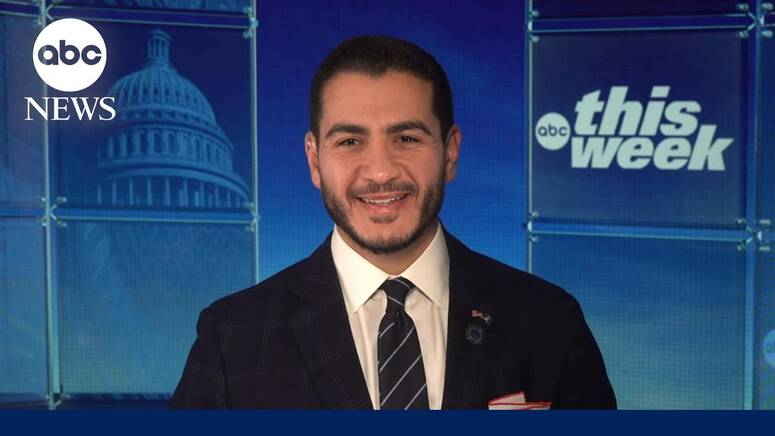
U.S. Senator-elect Abdul El-Sayed of Michigan says he is willing to work with President Donald Trump if the administration is serious about addressing the issues that matter most to Americans, particularly the rising cost of living and access to healthcare.
In an interview with ABC News anchor Jonathan Karl on the program This Week, El-Sayed said his election victory reflected voters' desire for a different kind of politics, one focused on improving people's lives rather than serving wealthy corporations and special interests.
El-Sayed said his campaign was built around three main priorities: getting money out of politics, putting more money in people's pockets and establishing Medicare for All.
Despite facing unprecedented financial opposition, his campaign emerged victorious in both the Democratic primary and the general election. He said he was outspent by a ratio of 11 to 1 in the primary and by approximately $110 million in the general election.
For El-Sayed, the result demonstrated that political campaigns can still succeed through direct engagement with voters rather than relying on expensive advertising funded by major corporations and special interests.
He described a campaign that took its message into living rooms, town halls, veterans' halls, churches and synagogues across Michigan, arguing that voters wanted meaningful conversations about the country's future.
Criticism of Trump's White House and Policies
Commenting on the appointment of Stephen Miller as the new White House chief of staff, El-Sayed questioned the Trump administration's commitment to cooperation with Democrats.
He pointed to what he described as contradictory signals: while the administration says it wants to work with Democrats to address the affordability crisis, it has appointed someone he believes has contributed to political division, fear and hostility.
El-Sayed also criticized Miller's role in shaping immigration policy, accusing him of encouraging the aggressive use of federal immigration enforcement and contributing to an atmosphere that has put American lives at risk.
The senator-elect was equally critical of Trump's broader political agenda, describing several of the president's decisions as reckless.
He singled out the war involving Iran, arguing that previous U.S. presidents had avoided such a conflict because of the serious risks it posed to global energy supplies, particularly given the strategic importance of the Strait of Hormuz.
He also questioned the administration's trade confrontation with Canada, pointing to the close geographical and economic ties between Canada and Michigan. He said the resulting financial burden on Americans amounted to $5,600 a year.
El-Sayed further criticized proposed cuts to Medicaid, arguing that reducing healthcare support to finance tax cuts for the wealthiest Americans was a misguided policy. He warned that the consequences would become increasingly clear when the cuts take effect in January.
Despite his strong criticism, El-Sayed stressed that Trump remains the president of the United States and that he is prepared to work with the administration if it is willing to pursue meaningful solutions.
He even suggested that he would support a healthcare program branded as "TrumpCare for All" if it guaranteed healthcare coverage for everyone.
El-Sayed said he had not yet received any outreach from Trump but remained open to meeting with him to discuss ways to serve the people of Michigan.
Schumer and the Future of Democratic Leadership
El-Sayed also addressed his previously sharp criticism of Senate Democratic leader Chuck Schumer, who had endorsed his opponent during the Democratic primary.
He said the two had since found common ground and worked together toward shared political objectives, including winning the Michigan Senate seat and regaining control of the Senate.
However, El-Sayed made clear that he wants Democratic leadership capable of delivering tangible results, particularly on campaign finance reform, economic affordability and universal healthcare.
With Democrats potentially holding a 56-seat Senate majority, he said the party must seize the opportunity rather than settle for limited achievements.
He described the potential majority as an opportunity that should be treated as a starting point, not a ceiling, and called for leadership prepared to act from day one.
El-Sayed said he was open to considering different candidates for the leadership position and expressed strong support for Senator Chris Van Hollen, while acknowledging that Van Hollen may have other ambitions.
Ultimately, he said, the priority should be finding someone capable of turning the election mandate into concrete action.
From Medical School Aspirations to the U.S. Senate
During the interview, El-Sayed also reflected on his personal journey, recalling a university graduation speech he delivered 19 years ago, in which he spoke about diversity, religious tolerance and the importance of overcoming divisions between communities.
At the time, he was preparing to attend medical school and had never imagined entering politics.
He recalled meeting former President Bill Clinton after the speech. Clinton encouraged him to consider a political career, telling him that he had a gift for public speaking.
El-Sayed said he laughed at the suggestion, explaining that he did not believe someone with a name like his, consisting of 11 letters, could realistically run for public office.
His perspective began to change the following year, when he watched Barack Hussein Obama campaign for and win the presidency.
He said both Clinton and Obama had helped him recognize possibilities he had never seen in himself.
Looking back, El-Sayed said he was grateful to have been elected to represent Michigan in the U.S. Senate. But he argued that the greater significance of the result was the message voters had sent.
He said Michiganders had rejected the division and hostility that, in his view, characterized the campaigns of his opponent Mike Rogers, Donald Trump and JD Vance.
Instead, voters had chosen an America big enough for everyone, regardless of their background or identity.
El-Sayed concluded by saying that his victory was not simply a personal achievement, but also a reflection of Michigan's rejection of hatred and its embrace of diversity and inclusion.
In an interview with ABC News anchor Jonathan Karl on the program This Week, El-Sayed said his election victory reflected voters' desire for a different kind of politics, one focused on improving people's lives rather than serving wealthy corporations and special interests.
El-Sayed said his campaign was built around three main priorities: getting money out of politics, putting more money in people's pockets and establishing Medicare for All.
Despite facing unprecedented financial opposition, his campaign emerged victorious in both the Democratic primary and the general election. He said he was outspent by a ratio of 11 to 1 in the primary and by approximately $110 million in the general election.
For El-Sayed, the result demonstrated that political campaigns can still succeed through direct engagement with voters rather than relying on expensive advertising funded by major corporations and special interests.
He described a campaign that took its message into living rooms, town halls, veterans' halls, churches and synagogues across Michigan, arguing that voters wanted meaningful conversations about the country's future.
Criticism of Trump's White House and Policies
Commenting on the appointment of Stephen Miller as the new White House chief of staff, El-Sayed questioned the Trump administration's commitment to cooperation with Democrats.He pointed to what he described as contradictory signals: while the administration says it wants to work with Democrats to address the affordability crisis, it has appointed someone he believes has contributed to political division, fear and hostility.
El-Sayed also criticized Miller's role in shaping immigration policy, accusing him of encouraging the aggressive use of federal immigration enforcement and contributing to an atmosphere that has put American lives at risk.
The senator-elect was equally critical of Trump's broader political agenda, describing several of the president's decisions as reckless.
He singled out the war involving Iran, arguing that previous U.S. presidents had avoided such a conflict because of the serious risks it posed to global energy supplies, particularly given the strategic importance of the Strait of Hormuz.
He also questioned the administration's trade confrontation with Canada, pointing to the close geographical and economic ties between Canada and Michigan. He said the resulting financial burden on Americans amounted to $5,600 a year.
El-Sayed further criticized proposed cuts to Medicaid, arguing that reducing healthcare support to finance tax cuts for the wealthiest Americans was a misguided policy. He warned that the consequences would become increasingly clear when the cuts take effect in January.
Despite his strong criticism, El-Sayed stressed that Trump remains the president of the United States and that he is prepared to work with the administration if it is willing to pursue meaningful solutions.
He even suggested that he would support a healthcare program branded as "TrumpCare for All" if it guaranteed healthcare coverage for everyone.
El-Sayed said he had not yet received any outreach from Trump but remained open to meeting with him to discuss ways to serve the people of Michigan.
Schumer and the Future of Democratic Leadership
El-Sayed also addressed his previously sharp criticism of Senate Democratic leader Chuck Schumer, who had endorsed his opponent during the Democratic primary.He said the two had since found common ground and worked together toward shared political objectives, including winning the Michigan Senate seat and regaining control of the Senate.
However, El-Sayed made clear that he wants Democratic leadership capable of delivering tangible results, particularly on campaign finance reform, economic affordability and universal healthcare.
With Democrats potentially holding a 56-seat Senate majority, he said the party must seize the opportunity rather than settle for limited achievements.
He described the potential majority as an opportunity that should be treated as a starting point, not a ceiling, and called for leadership prepared to act from day one.
El-Sayed said he was open to considering different candidates for the leadership position and expressed strong support for Senator Chris Van Hollen, while acknowledging that Van Hollen may have other ambitions.
Ultimately, he said, the priority should be finding someone capable of turning the election mandate into concrete action.
From Medical School Aspirations to the U.S. Senate
During the interview, El-Sayed also reflected on his personal journey, recalling a university graduation speech he delivered 19 years ago, in which he spoke about diversity, religious tolerance and the importance of overcoming divisions between communities.At the time, he was preparing to attend medical school and had never imagined entering politics.
He recalled meeting former President Bill Clinton after the speech. Clinton encouraged him to consider a political career, telling him that he had a gift for public speaking.
El-Sayed said he laughed at the suggestion, explaining that he did not believe someone with a name like his, consisting of 11 letters, could realistically run for public office.
His perspective began to change the following year, when he watched Barack Hussein Obama campaign for and win the presidency.
He said both Clinton and Obama had helped him recognize possibilities he had never seen in himself.
Looking back, El-Sayed said he was grateful to have been elected to represent Michigan in the U.S. Senate. But he argued that the greater significance of the result was the message voters had sent.
He said Michiganders had rejected the division and hostility that, in his view, characterized the campaigns of his opponent Mike Rogers, Donald Trump and JD Vance.
Instead, voters had chosen an America big enough for everyone, regardless of their background or identity.
El-Sayed concluded by saying that his victory was not simply a personal achievement, but also a reflection of Michigan's rejection of hatred and its embrace of diversity and inclusion.






 24°

 15°










Comments
0 de 0 commentaires pour l'article 339324